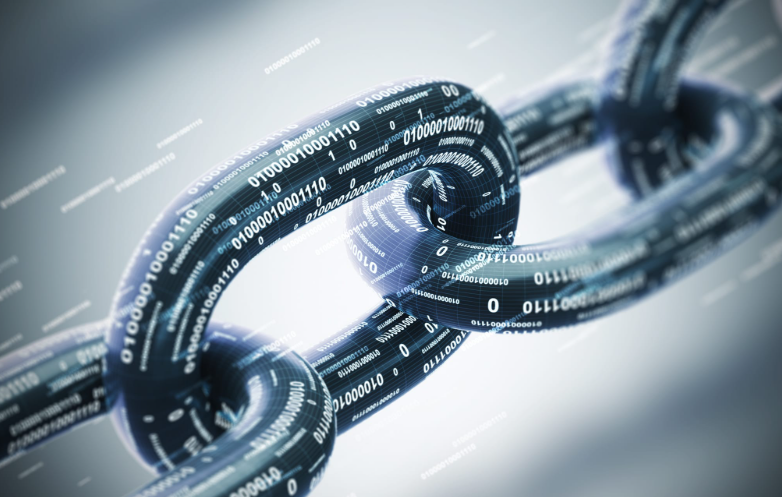

Blockchain technology has evolved significantly, transcending its original purpose as the backbone of cryptocurrency. Its decentralized ledger system offers unparalleled transparency and security across diverse sectors. In supply chain management, it enhances traceability, while in healthcare, it safeguards sensitive data. Voting systems benefit from increased integrity, and digital identity frameworks grant individuals greater control. The implications of these developments raise critical questions about the future of trust and efficiency in digital interactions.
Revolutionizing Supply Chain Management
As businesses increasingly face the complexities of globalization and consumer demand for transparency, blockchain technology emerges as a transformative force in supply chain management.
Smart contracts automate transactions, enhancing trust and efficiency, while decentralized ledgers facilitate real-time inventory tracking.
This technology ensures authenticity and reduces fraud, empowering stakeholders with the freedom to manage resources more effectively in an interconnected marketplace.
Enhancing Healthcare Data Security
Blockchain technology fortifies healthcare data security by providing an immutable and decentralized framework for managing sensitive patient information.
By ensuring patient consent is encoded within transactions, it enhances trust and compliance.
Moreover, blockchain facilitates data interoperability among healthcare providers, allowing seamless information exchange without compromising security.
This transformative approach empowers patients and providers alike, fostering a more transparent and secure healthcare ecosystem.
Transforming Voting Systems for Transparency
Recent advancements in blockchain technology have the potential to revolutionize voting systems, enhancing transparency and trust in democratic processes.
By implementing secure voting mechanisms, blockchain can ensure that each vote is immutable and verifiable.
This decentralized governance model not only mitigates fraud but also fosters voter confidence, promoting greater participation and engagement in the electoral process, ultimately reinforcing the foundations of democracy.
See also: Blockchain in Healthcare
Empowering Digital Identity Verification
The integrity of democratic processes is closely linked to the robustness of identity verification methods employed during elections.
Implementing self-sovereign identity frameworks through decentralized authentication enables individuals to control their personal data while enhancing security.
This approach not only fortifies voter verification but also promotes trust in electoral systems, ensuring that identity remains a personal asset, free from centralized manipulation and oversight.
Conclusion
In conclusion, blockchain technology is revolutionizing supply chain management through enhanced traceability, securing healthcare data with unprecedented encryption, transforming voting systems into transparent processes, and empowering individuals with self-sovereign identities. By fostering innovation in these critical areas, blockchain not only establishes trust and reliability but also paves the way for a future where individuals and organizations can operate with greater autonomy and security. As its applications continue to expand, the potential for blockchain to reshape industries remains vast and transformative.


 By
By



 By
By